
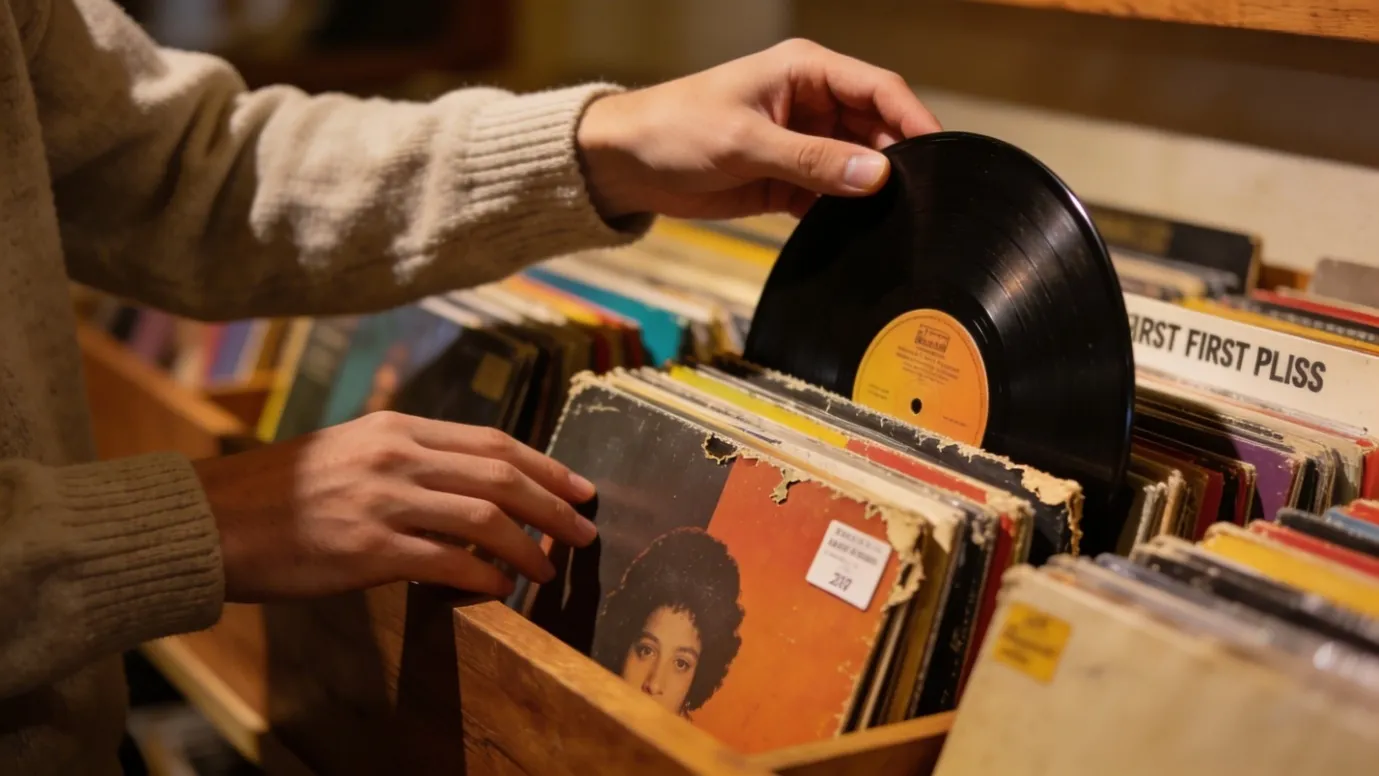
Buying a vintage record online feels exciting, but it also asks you to trust descriptions, photographs and a few cryptic letters. If you are exploring Vinyl Records India from abroad, a clear method protects your money and your ears. This guide walks through the essentials, from reading condition grades to judging cover art and understanding pressing details. Use it as a checklist before every purchase, and you will decide confidently whether you collect Bollywood film scores, Bengali classics, jazz imports or seventies rock albums.
1. Decode the Grading Letters
Condition letters are the language of collecting. Near Mint, written NM, means the disc looks almost unplayed. VG+ shows light wear that rarely affects listening, while VG usually brings audible surface noise on quiet passages. VG- signals heavier wear. Grades often cover both vinyl and sleeve, so check whether the seller lists them separately. A lower grade is not always a bad deal; a scuffed sleeve may hide a clean disc, and a modest price can make an imperfect copy worthwhile.
2. Study the Cover Art
Cover art is half the pleasure. Examine photographs for ring wear, seam splits, creases and writing, since those flaws affect display value even when the record plays well. Vintage Indian film sleeves often feature bold illustration, studio portraits and beautiful typography in several scripts, making them collectable visuals in their own right. Ask for extra images if the listing shows only the front. Frame your favourite sleeves on a wall, and you will appreciate why design deserves equal attention to the sound.
3. Check the Pressing Origin
Where a record was pressed can change its character. Japanese pressings are widely admired for quiet vinyl, careful quality control and an obi strip wrapped around the spine. Local Indian pressings carry cultural value and sometimes unique cover designs, while imports offer alternative mastering. Compare the label text, country markings and catalogue numbers with the listing if a title appears in several editions; research which one suits your taste. Informed buyers rarely overpay because they know exactly what makes a particular pressing worth chasing.
4. Choose a Trustworthy Seller
If you are ready to buy lp record titles with confidence, start with sellers who publish clear condition notes, organise collections by language and genre, and describe flaws honestly instead of hiding them. A specialist with Hindi, Bengali, English and Japanese sections lets you compare similar titles quickly. Read each description fully, save favourites to a wish list and watch for sale periods, since discounts on used stock appear occasionally. Patience matters; the right copy often appears if you keep looking and avoid rushing.
5. Ask the Right Questions
Never hesitate to message a seller. Ask whether the record was play-tested, whether any tracks skip, and whether the disc has warps, scratches or visible marks. Request clear photos of both sides under bright light and ask about inner sleeves, inserts or lyric booklets. Sellers who answer politely and specifically are usually the ones you can trust. Keep screenshots of the conversation, and confirm packaging methods for international orders. A few minutes of questions can prevent weeks of disappointment later.
6. Budget by Rarity, Not Hype
Price should reflect rarity, condition and demand rather than excitement. Compare similar copies, and remember that a common album in superb condition can be a better buy than a scarce one in poor shape. Set a ceiling before you commit, and allow room for shipping and possible import charges, which vary by country. Start with affordable titles to build your eye, then move gradually toward rarer pieces. Disciplined spending keeps the hobby enjoyable and helps you assemble a collection you genuinely cherish.
7. Prepare Your Cleaning Routine
A good record deserves a clean start. Wipe new arrivals gently with a carbon brush, and use a dedicated cleaner for stubborn dirt instead of household liquids. Check that your stylus is in good shape, since a worn needle can damage grooves. Store records vertically in fresh inner sleeves and avoid warm rooms. Document your purchases in a simple spreadsheet, noting grade, price and date. This routine preserves value and makes it easy to see how your collection grows over the years.
Final Notes Before You Click Buy
Smart collecting blends curiosity with caution. Read grades carefully, inspect the artwork, understand pressings, question sellers and plan your budget before checking out. These habits turn vintage vinyl from a gamble into a rewarding pursuit. When you are ready to browse Hindi, Bengali, English and Japanese LPs in one catalogue, visit calcuttarecords.com and apply this checklist to each listing. Your next favourite album might be waiting there, and with a little preparation, you will know exactly what you are looking at.